

Why Is There a Shortage of Douglas Fir Plywood? Best Alternatives
Douglas Fir plywood has become increasingly difficult to source. Lead times have stretched, availability is inconsistent, and the supply situation is unlikely to improve in the short term. The cause is structural rather than cyclical: a mix of US tariffs, mill closures and shrinking timber availability in British Columbia.
This post explains what's driving the shortage and why European Decorative Pine Plywood is a practical alternative for many of the same applications.
The Douglas Fir Supply Situation
Decorative Douglas fir plywood comes from a single region: coastal British Columbia ("BC"). The supply chain feeding the UK has been hit by four compounding pressures, none of which is short-term.
1. US tariffs are squeezing BC mills and contracting supply
Since October 2025, Canadian softwood timber and lumber entering the US has carried a 10% Section 232 tariff on top of anti-dumping and countervailing duties of around 35%. Combined burden: roughly 45%.
This matters to UK buyers even though we're not the target. The US takes around 75% of Canadian softwood exports. When that market is disrupted, mills cut output rather than chase loss-making volume. Less production means less material reaching every export market, including the UK.
2. Mill Closures and Curtailments
- Multiple major producers in Canada cut output in 2025.
- Capacity utilisation across Canadian wood product manufacturing has dropped to around 75%.
- Employment in BC sawmills and wood preservation fell by approximately 32% between 2017 and late 2025.
3. Timber Supply is Shrinking
Several factors have reduced the volume of standing timber available for harvest:
- Protective measures against logging old-growth trees. Around 2.4 million hectares of old-growth forest deferred or protected since 2021
- Wildfire damage in 2023 and 2024
- Long-term effects of the mountain pine beetle
- Caribou habitat protections and First Nations land-use agreements
- Decorative Douglas fir plywood needs large-diameter, carefully selected logs from the coastal zone of southern BC - exactly where the deferrals and protections are concentrated. Where the old growth is gone, it isn't coming back within any commercial timeframe.
4. No near-term resolution
The US duty review reports in August 2026 with rates likely to stay near current levels. The mills that have closed will not reopen.
Impact on UK Buyers
- Longer lead times
- Upward pressure on pricing
- Risk of delayed projects
For projects with fixed timelines, this should be factored into procurement planning. It's important to identify a substitute early, before the specification is fixed.
Alternative Product:
European Decorative Pine Plywood
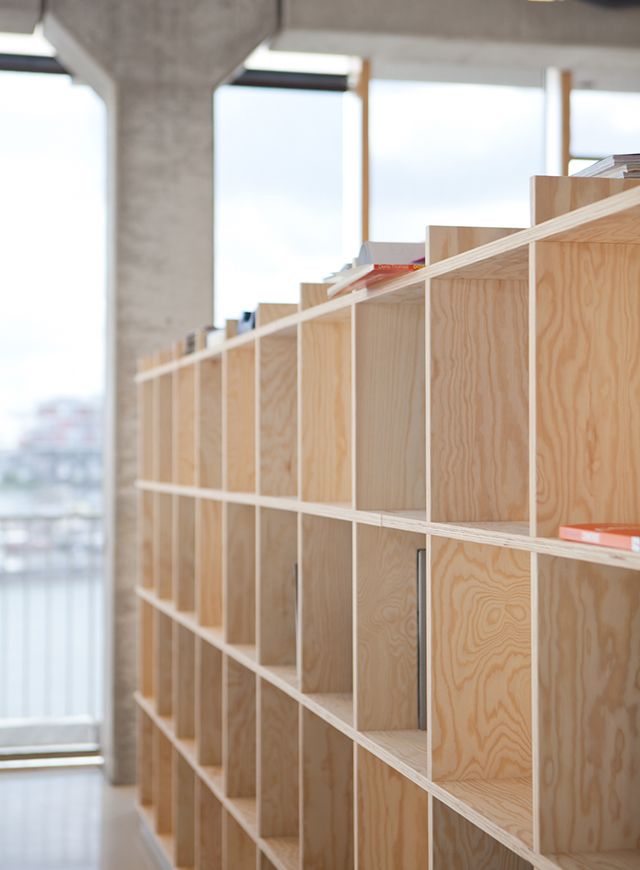
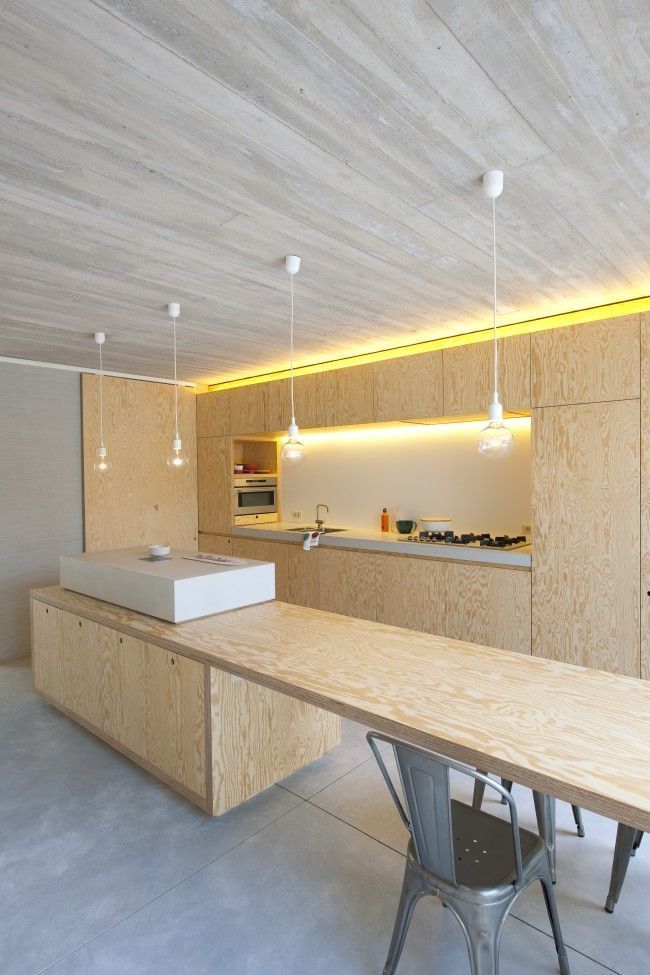
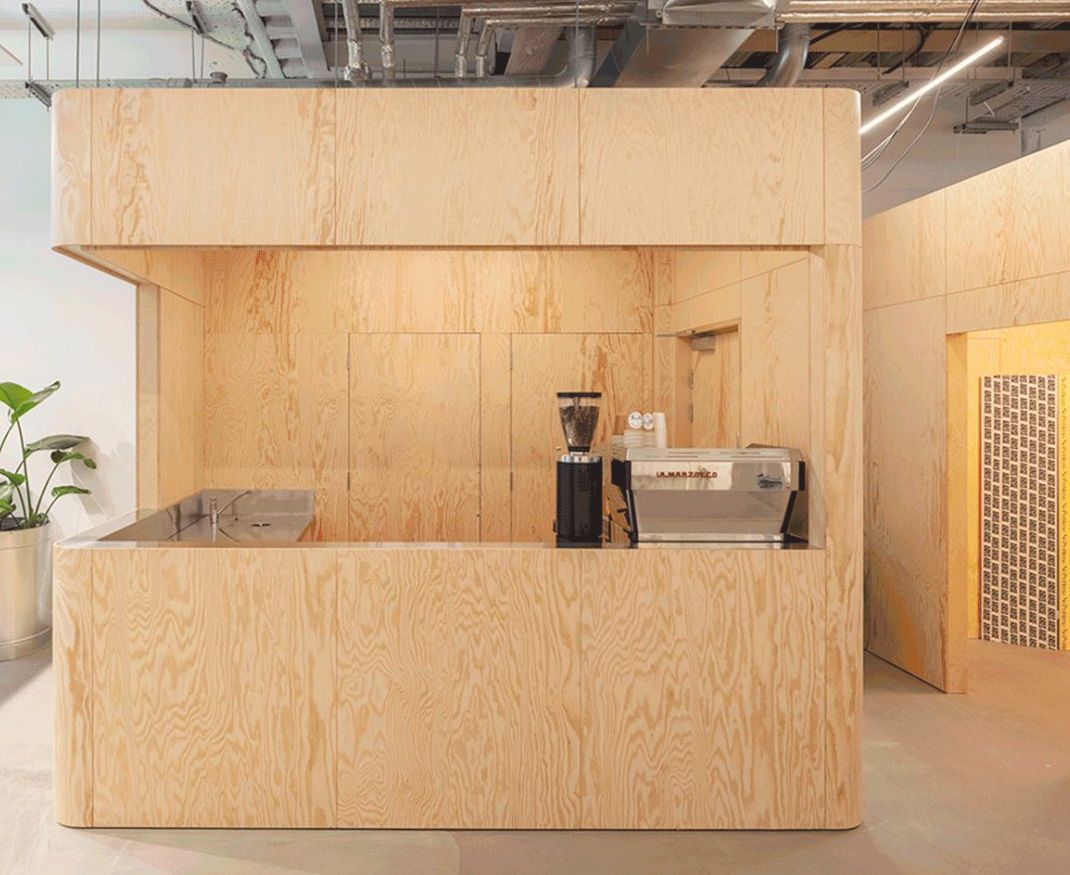
European Decorative Pine Plywood is used in many of the same applications as Douglas Fir - feature walls, ceiling panels, shopfitting, joinery and furniture. It has a similar visual character: a rotary-cut softwood face with natural grain variation and warmth.
It is manufactured in Europe and we import it directly. It is not affected by the trade disputes, mill closures or log shortages in British Columbia, Canada.
Below is a summary of the product and how it compares to Douglas Fir on specification:
Face
Grade I on the front face (grade II reverse). High grade rotary-cut veneers with only occasional plugs permitted - no filler. The grain is naturally knotty with a lighter base tone than Douglas Fir.
Core
18mm pine plywood is 13 ply construction with 1.4mm internal veneers - the same internal ply thickness as birch plywood. This gives a consistent core and a clean edge profile, which is especially relevant for applications where the edge is used as a decorative feature.
Density
Approximately 689-718 kg/m³. This contributes to good dimensional stability and performance under CNC machining and drilling.
Thickness Range
We stock 6mm, 9mm, 12mm, 15mm, 18mm, 24mm. All in 2440 x 1220 (8ft x 4ft) long-grain panels.
Staining
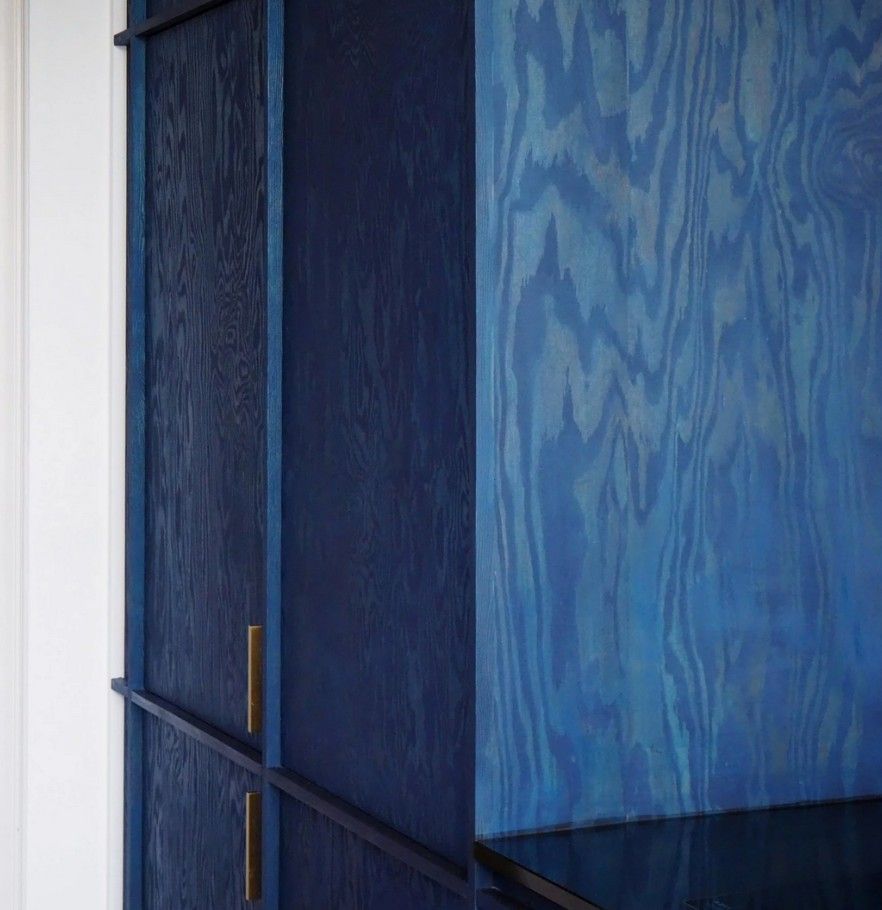
Pine takes stain well. The grain pattern remains visible after staining, which gives a range of colour options beyond natural timber tones.
Fire Rating
Available with a factory-applied fire retardant lacquer to EN 13501-1 Euroclass B s1, d0. Clear absorption-based treatment with a decorative lacquer finish in matt or satin.
Certification
FSC certified. CE structural rated. UKTR compliant. EN 13896 Formaldehyde class E1.
Visual Comparison
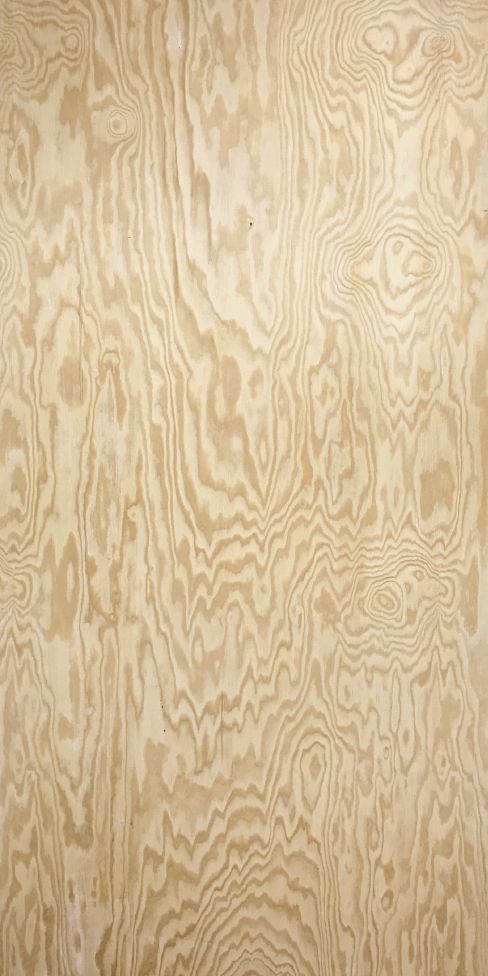
Douglas Fir
8x4 Panel
Decorative Pine
8x4 Panel
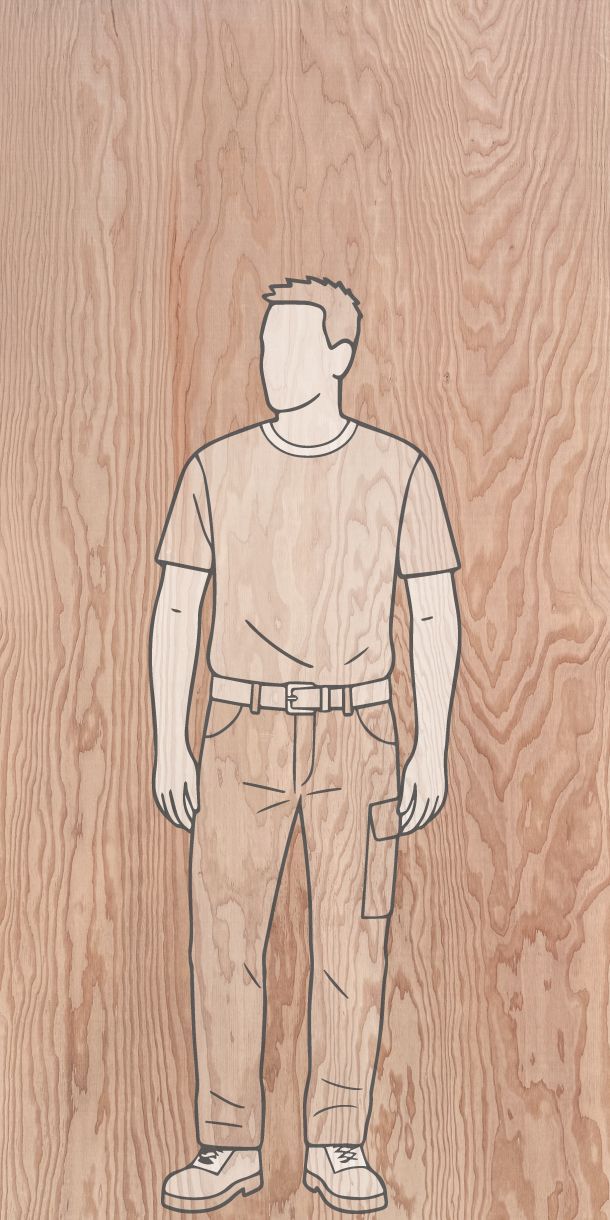
Douglas Fir Edge
Decorative Pine Edge
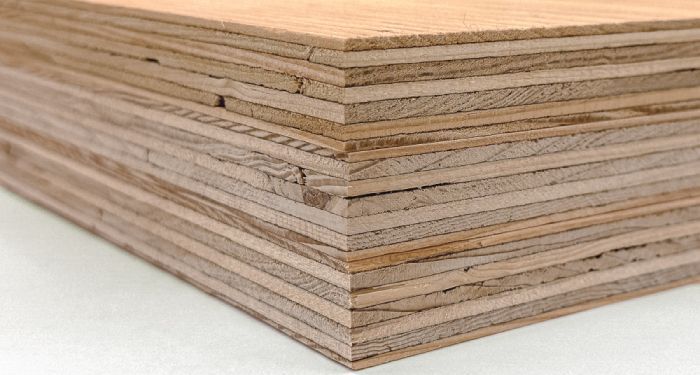
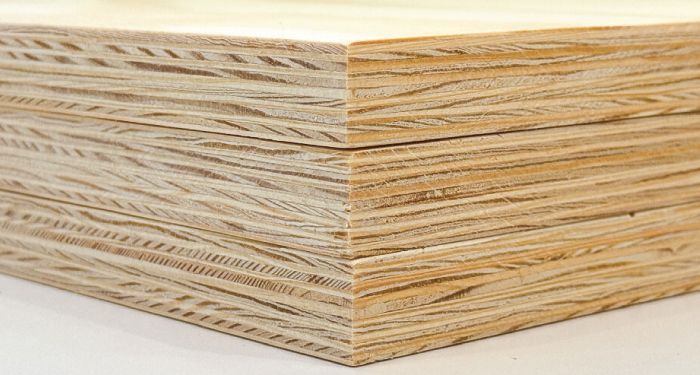
Both panels are decorative softwood plywood with rotary-cut faces that suit similar applications.
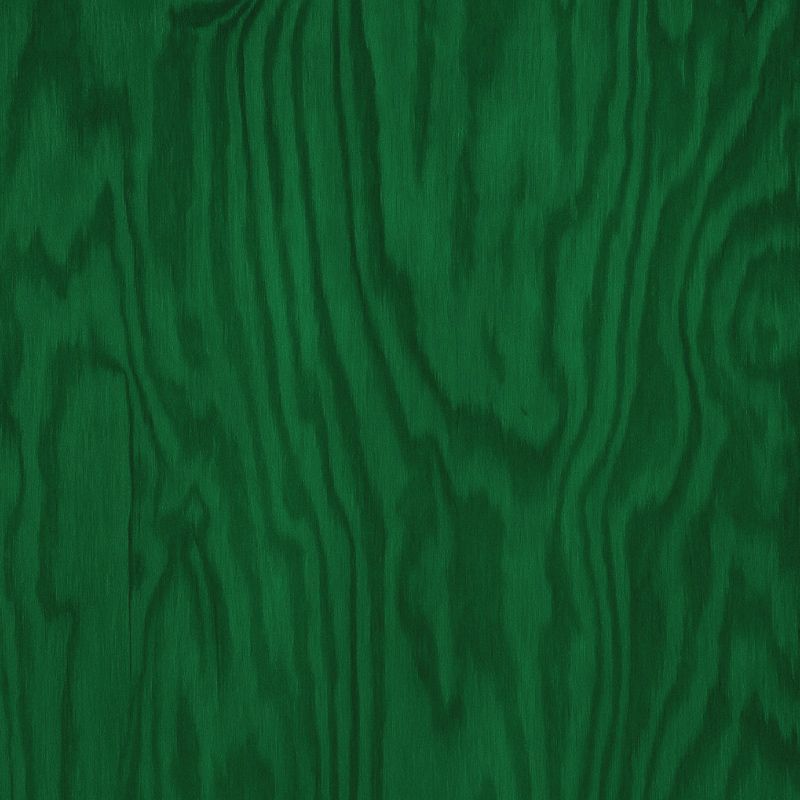
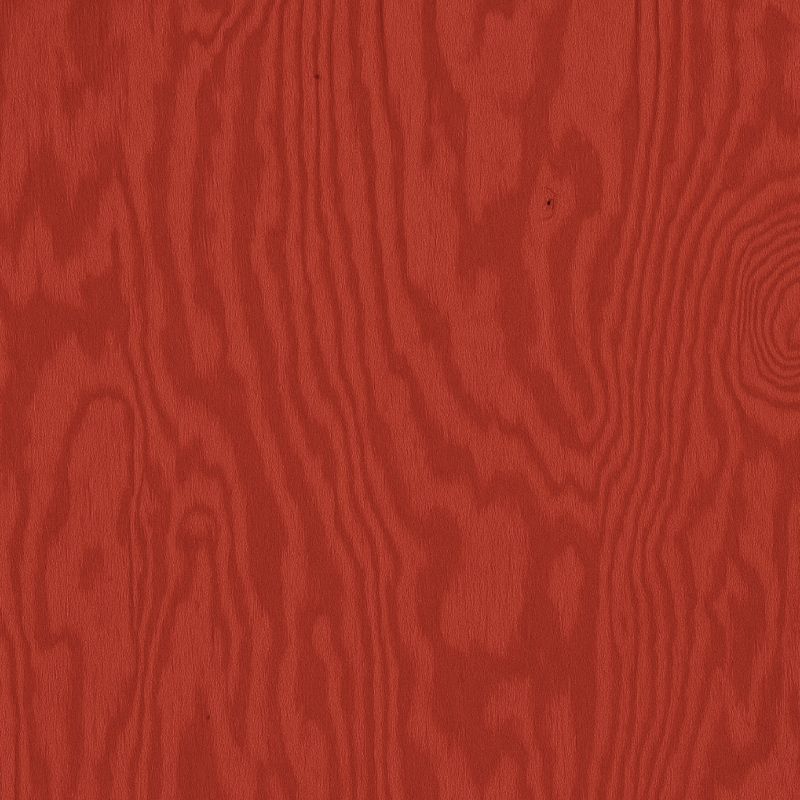
Douglas Fir has a warmer colour tone whilst Pine has a lighter base tone. Both show pronounced contrast in the grain.
We have a separate comparison page, along with a downloadable PDF that is unbranded and suitable for sharing with clients.

Summary
Douglas Fir plywood remains a popular decorative panel, but supply from Canada is constrained by tariffs, mill closures and reduced timber availability. These are structural pressures, not a short-term fluctuation, and there is no near-term resolution.
European decorative pine plywood is a practical alternative that shares many of the same visual qualities. It is manufactured in Europe and available from stock.
If you're specifying decorative plywood and want to discuss options, please contact us.